

Fabric AI is an innovative tool that uses artificial intelligence to transform how D2C brands and e-commerce retailers operate. It streamlines processes, improves customer experiences, and optimizes inventory management by leveraging ecommerce automation tools. With key features, benefits, and real-world applications, Fabric AI helps build a fully automated, efficient e-commerce store for startups and established brands, making it a game-changer for your e-commerce strategy.

1. What is Fabric AI?
Definition and Background
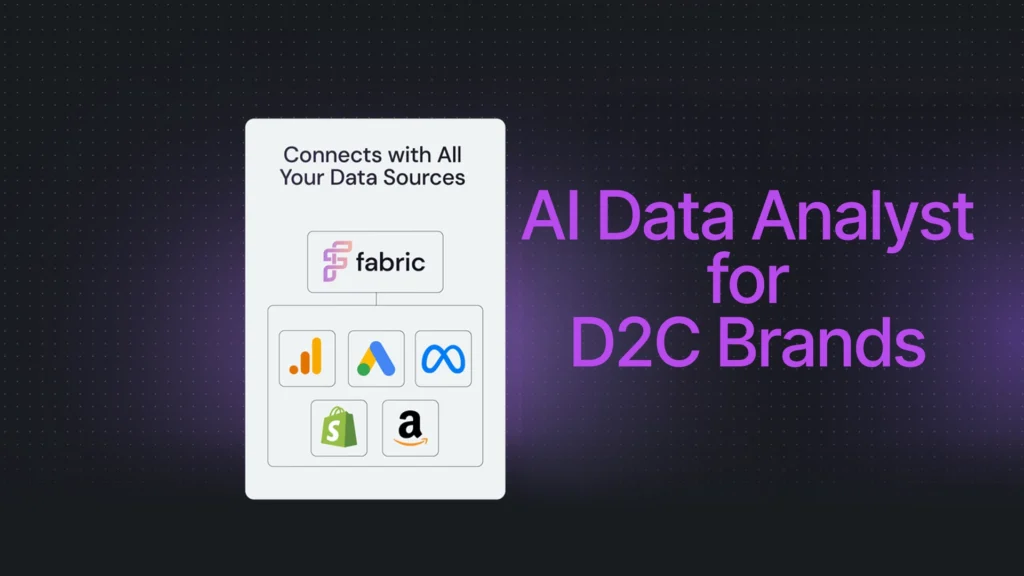
Fabric AI is an innovative AI-driven data analytics platform tailored specifically for the e-commerce sector. It consolidates a variety of data sources, including order, customer, funnel, and marketing data, into a unified view through seamless ecommerce integration. This integration enables businesses to gain holistic insights and make informed decisions based on comprehensive data analysis, all without requiring any specialized technical expertise. By simplifying the analytics process, Fabric AI allows companies of all sizes to harness the power of data to drive growth and improve operational efficiency.
Key Features and Capabilities
- Automated Reporting: Generate insightful reports effortlessly, saving time and allowing teams to focus on strategic initiatives rather than manual data compilation.
- Retention Analysis: Understand customer behavior patterns deeply, allowing businesses to implement targeted strategies to boost customer loyalty and reduce churn rates.
- PnL Tracking: Monitor financial performance in real-time, providing businesses with the ability to make timely adjustments and optimize profitability.
- Natural Language Query Resolution: Ask questions in plain English for quick answers, making data interaction intuitive and accessible even for those who may not be data-savvy. This feature empowers users to explore data insights dynamically, facilitating a more conversational approach to analytics.
- Marketing Automation: Automate tasks such as email marketing, customer segmentation, and promotional strategies to save time and increase efficiency.
By leveraging these capabilities, Fabric AI aims to revolutionize how e-commerce businesses interact with their data, fostering a culture of data-driven decision-making.
2. The Rise of AI for E-commerce
Historical Context of AI in E-commerce
AI has been a significant force in e-commerce for the past decade, evolving from basic algorithms for product recommendations to advanced machine learning systems that can analyze consumer behavior in real-time.
Current Trends and Future Predictions
The integration of AI continues to accelerate, with predictions indicating that AI will play an even more integral role in shaping customer interactions and optimizing backend operations. As e-commerce continues to grow, AI will be crucial in helping businesses keep up with the ever-changing landscape.
Benefits of AI for E-commerce
Ecommerce automation brings a wide range of benefits to the e-commerce industry, including enhanced customer experiences, improved efficiency and productivity, cost savings, and better decision-making capabilities. As more businesses adopt AI technology, these benefits will become even more apparent.
Ethical Considerations
As AI becomes more prevalent in e-commerce, companies must also consider ethical implications related to data privacy and potential biases in algorithms. It is important for businesses to prioritize ethical practices and ensure proper regulations are in place when utilizing AI technology.
3. Key Benefits of Fabric AI for E-commerce
Streamlined Operations
- Inventory Management: Improve stock management processes by automating inventory management to effectively reduce overstock and stockouts. By utilizing advanced inventory tracking systems and implementing just-in-time ordering practices, businesses can ensure that they always have the right amount of stock on hand, which not only maximizes efficiency but also minimizes waste and costs.
- Order Fulfillment: Automate fulfillment processes through innovative logistics solutions and advanced software for faster delivery. This can involve integrating systems that manage warehouse operations and streamline shipping procedures, ensuring that orders are processed swiftly and accurately, enhancing customer satisfaction.
Enhanced Customer Experience and Customer Experience
- Personalized Recommendations: Leverage data insights to offer tailored product suggestions based on customers’ past purchases and browsing behaviors. By analyzing trends and preferences, businesses can create a more engaging shopping experience that meets individual customer needs, ultimately driving sales and loyalty. This personalization also enhances customer relationships by making customers feel understood and valued.
- Customer Support Automation: Streamline customer inquiries through the implementation of chatbots and AI assistants. These technologies can provide instant responses to common questions, guide customers through the purchasing process, and escalate complex issues to human representatives, ensuring a seamless support experience.
Data-Driven Insights
- Sales Analytics: Utilize sophisticated analytics tools to gain deep insights into sales trends, which can guide businesses in adjusting their marketing strategies effectively. By understanding what products are performing well and identifying seasonal patterns, organizations can make informed decisions to optimize their offerings and optimize marketing strategies to improve overall business performance.
- Customer Behavior Analysis: Conduct thorough analysis to understand consumer patterns that can drive retention and loyalty. By examining factors such as purchasing habits and feedback, companies can tailor their marketing efforts and product development to better fit customer expectations.
- Predictive Analytics: Implement predictive analytics to anticipate future demand, allowing for improved inventory management and product planning. By forecasting trends based on historical data, businesses can prepare ahead of time to meet customer needs without overextending resources.
Cost Savings
- Reduced Labor Costs: Embrace AI technology to automate tasks that would typically require manual labor, significantly reducing operational costs. By shifting repetitive processes to AI solutions, companies can allocate human resources to more strategic initiatives that require creativity and critical thinking.
- Minimized Errors: Employ AI algorithms that can detect errors and anomalies in data, preventing costly mistakes. Automation significantly reduces the risk of human error, especially in tasks like fraud detection and data management. These systems can flag discrepancies before they escalate, ensuring that businesses operate more smoothly and efficiently, ultimately protecting profit margins.
4. AI Solutions for E-commerce: How Fabric AI Stands Out
Comparison with Other AI Solutions
While many AI solutions exist in the market today, Fabric AI distinguishes itself with its specific focus on the e-commerce sector. Unlike generic AI tools, Fabric AI provides tailored functionalities that cater exclusively to the unique challenges and opportunities faced by online retailers. This specialized approach ensures that e-commerce businesses can leverage AI to enhance customer experiences, optimize operations, and increase sales effectively.
Unique Selling Points of Fabric AI
- Omnichannel Capabilities: Fabric AI excels in seamlessly integrating multiple sales channels, allowing businesses to create a cohesive shopping experience for customers whether they are shopping online, via mobile, or in-store. This omnichannel approach not only boosts sales but also enhances brand loyalty.
- Scalability and Flexibility: Fabric AI’s solutions are designed to be scalable and flexible, meaning they can easily adapt to the dynamic needs of growing businesses. Whether you are a small startup or a large enterprise, Fabric AI can adjust to your requirements as you expand.
- User-Friendly Interface: The software features an intuitive, user-friendly interface that is easy to navigate and understand, even for non-technical users. This accessibility ensures that teams can quickly adopt the technology and utilize it effectively without extensive training.
- Customizable Solutions: Fabric AI offers a range of customizable solutions tailored to meet specific business needs and goals. This personalization allows retailers to implement features that align precisely with their operational strategies and customer expectations.
Integrations with Major E-commerce Platforms
Fabric AI boasts robust integrations with popular e-commerce platforms such as Shopify, Magento, and WooCommerce. This compatibility makes it accessible to a wide range of online retailers, enabling them to enhance their existing systems without significant disruptions. Retailers can easily integrate Fabric AI into their workflows, leveraging its capabilities to improve overall performance. Additionally, automation tools in web development can further enhance productivity by allowing for more efficient practices, ultimately leading to better management of online stores and improved customer experiences.
Real-Time Data Analysis
One of the standout features of Fabric AI is its real-time data analysis capabilities. With this functionality, businesses can make quick and informed decisions based on up-to-date information regarding inventory levels, customer behavior, and market trends. Such agility allows for rapid responses to changing market dynamics, ensuring that businesses can stay ahead of the competition and better meet customer needs.
Continuous Improvement through Machine Learning
Fabric AI utilizes advanced machine learning algorithms that continuously learn and improve as the software collects more data. This ongoing enhancement means that retailers benefit from increasingly accurate and efficient solutions over time. As the system evolves, it becomes better equipped to provide insights and recommendations that drive operational excellence and boost sales performance.
In summary, Fabric AI not only offers powerful tools for e-commerce but also ensures that retailers can harness the full potential of AI technology to thrive in a competitive landscape.
Implementing Fabric AI for a Fully Automated E-commerce Store with Ecommerce Automation
Step-by-Step Guide to Integration
- Initial Setup and Configuration: Begin your journey by following a straightforward setup process that allows you to configure the necessary parameters for Fabric AI. This initial phase is crucial as it lays the foundation for the system’s performance and ensures compatibility with existing e-commerce platforms.
- Data Integration and Synchronization: Connect all relevant data sources, including inventory management systems, customer databases, and sales records, to create a comprehensive view of your operations. This step not only streamlines data flow but also enhances decision-making by providing real-time insights into business performance.
- Best Practices for Smooth Implementation: Adhere to established guidelines and best practices that guarantee a successful rollout of Fabric AI. These may include conducting thorough testing prior to full deployment, engaging stakeholders throughout the process, and addressing potential challenges proactively to minimize disruptions.
- Training and Onboarding: Invest time in training employees on how to navigate and utilize the software effectively. Providing comprehensive onboarding sessions and easy-to-follow resources will empower your team to leverage Fabric AI’s capabilities fully, thus maximizing the return on investment.
- Monitoring and Maintenance: To ensure the seamless functioning of Fabric AI, establish a routine of regular monitoring and maintenance. This involves tracking system performance, updating software as needed, and soliciting user feedback to make continuous improvements. By staying proactive, you can maintain optimal efficiency and adapt to any emerging challenges.
Benefits of Fully Automated E-commerce Stores
- Increased Efficiency: Automation reduces manual and repetitive tasks, such as order fulfillment and inventory management, allowing businesses to focus on other important areas.
- Enhanced Customer Experience: Real-time data analysis and personalized solutions lead to a better shopping experience for customers.
- Cost Savings: Automated processes can reduce labor costs and minimize errors, saving businesses both time and money.
- Scalability: As the business grows, an automated e-commerce store can easily adapt to increased demand without additional resources or infrastructure.
Overcoming Challenges in Automating E-commerce with AI and Inventory Management
Common Obstacles and Solutions
Resistance to Change: One of the most significant barriers to implementing AI in e-commerce is the resistance to change from employees and stakeholders. This can be effectively mitigated through comprehensive training programs that not only educate staff about the new technologies but also highlight the benefits and efficiencies they bring. Clear communication about the changes and ongoing support is essential in ensuring everyone feels confident and onboard with the transition. As businesses expand, the complexity of operations may exceed the capabilities of the software, leading to the necessity for human labor supervision to ensure everything runs smoothly.
Integrating Existing Systems: Another challenge lies in the integration of AI solutions with existing e-commerce platforms and systems, which may not always be compatible. However, solutions like Fabric AI are specifically designed for seamless compatibility, enabling businesses to leverage their current infrastructure while enhancing it with advanced AI capabilities. Taking the time to plan and execute a well-thought-out integration strategy can greatly reduce complications.
Tips for Maximizing ROI with AI Solutions
- Set Clear KPIs: To truly measure the success of AI integration, it’s crucial to set specific and measurable Key Performance Indicators (KPIs). These could include metrics such as increased sales conversions, reduced cart abandonment rates, or improved customer satisfaction scores. By establishing these benchmarks from the outset, businesses can track progress and make informed decisions moving forward.
- Regularly Review Performance Metrics: After implementation, it’s important to continuously monitor and review performance metrics. This ongoing evaluation will help identify areas for improvement and optimization, ensuring that the AI solutions are delivering the intended results. Regular check-ins can also provide opportunities for adjustments based on changing market conditions or consumer behavior, ultimately maximizing the return on investment in AI technologies.
7. The Future of Fully Automated E-commerce Business with Fabric AI
Predictions and Emerging Trends
The future of e-commerce is poised for transformation, with even more innovative applications of AI expected to revolutionize the industry and improve customer retention. Enhanced predictive analytics will allow businesses to better anticipate customer needs and preferences, resulting in personalized shopping experiences that drive customer loyalty. Smarter supply chain management, powered by AI, will optimize inventory levels and delivery processes, reducing costs and improving efficiency. As AI technologies continue to advance, we can also expect the rise of intelligent chatbots that provide instant customer support and tailored product recommendations, further enhancing the overall shopping experience.
The Role of Continuous Innovation and Development
For e-commerce businesses to thrive in this rapidly evolving landscape, they must remain at the forefront of technological advancements. This means not only adopting new technologies but also fostering a culture of continuous innovation and improvement within their operations. Companies should invest in ongoing training for their teams, encouraging them to explore new tools and methodologies that can enhance efficiency and effectiveness. By embracing a mindset of adaptability and growth, e-commerce businesses can successfully navigate challenges and seize opportunities in an increasingly automated future.
The Impact on Return on Investment (ROI)
Investing in AI technologies can lead to significant returns for e-commerce businesses. By streamlining processes, optimizing supply chain management, and providing personalized customer experiences, businesses can achieve greater efficiency and cost-savings. Additionally, with the rise of intelligent chatbots and virtual assistants, companies can reduce their labor costs while still providing high-quality customer support. With these factors combined, the ROI for investing in AI is considerable, making it a worthwhile investment for any e-commerce business looking to stay competitive in the future.
Conclusion
Fabric AI is more than just another technology solution; it marks a transformative shift in the e-commerce landscape. By harnessing its advanced capabilities, businesses can markedly enhance operational efficiency, streamline processes, and elevate customer satisfaction through tailored experiences. Additionally, Fabric AI empowers companies to analyze vast datasets in real-time, facilitating informed decision-making and swift adaptation to market trends. Ultimately, this groundbreaking technology not only cultivates customer loyalty but also fuels sustainable growth in an increasingly competitive environment.
Ready to elevate your online store? Start your journey towards a fully automated e-commerce business with Fabric AI today!